
Semantic SEO is about helping search engines understand meaning not just matching words and from my experience working with content over the years this shift has changed how ranking truly works. Instead of focusing only on keywords Semantic SEO looks at search intent context and how ideas connect so Google can clearly see what a page is really about.
When you write in a natural way cover a topic fully and connect related concepts you make it easier for search engines to trust your content as useful and accurate. I have seen pages perform better simply because they explained things clearly answered real questions and stayed focused on the topic as a whole rather than forcing keywords. This approach aligns with how modern algorithms think helping your content fit naturally into meaning based search while still serving real people who want clear and helpful information.
Table of Contents
What is Semantic SEO?
Moving beyond simple keyword matching the modern process of optimization relies heavily on thematic depth to signal high quality to search engines. In my years of refining web content I have learned that Google no longer just looks for strings of text instead Google crawlers seek to understand content through the lens of semantics. By focusing on thematic relevance and providing rich context we help these crawlers with the interpretation of our pages. This shift toward meaning ensures that your site provides the comprehensive answers that indexing systems crave ultimately serving as one of the strongest quality signals available today.
When you prioritize content understanding you are essentially speaking the native language of modern algorithms. I have seen firsthand how building a network of related topics can significantly improve ranking by proving to search engine results pages that your site is an authority. By mastering Semantic SEO you ensure your visibility on the SERPs is not just a result of luck but a byproduct of how clearly you present information. This holistic approach ensures that every piece of data aligns with user intent making it easier for Google to categorize and reward your expertise.
Examples of Semantic SEO:
In my experience the way Google now understands meaning has completely changed the search landscape of today. Take a famous Google patent regarding context vectors as a prime example it shows how a single word like horse can hold vastly different meanings in different contexts. Depending on the related terms it could represent an animal for a horseman a working tool for a carpenter or even sports equipment for a gymnast. By using semantic search engine optimization we ensure our content is cataloged and organized correctly within a digital content ecosystem like Wikipedia helping machines to truly understand and evaluate the uniqueness of our work.
To implement best practice I always focus on creating natural content and engaging content that addresses how people search for products. If you are selling running shoes your page should naturally include synonyms like running sneakers athletic shoes or trainers. This use of similar semantic meanings directly influences how the semantic SEO of a page performs. When you provide this level of context you move beyond old keyword tricks and help the engine see the full picture of your expertise ensuring your site stays relevant in an increasingly intelligent digital world.
How does Google Search Use Semantic SEO?
Since 2011 the world’s largest search engines including Google Bing and Yahoo have collaborated on a massive initiative to help machines better understand the web. This led to the birth of schema.org a common data schema that provides a universal vocabulary for describing web pages. I have found that by using this data schema structure content owners and SEOs can move beyond simple keywords to describe their services and products using linked open data.
When you implement schema markup correctly you are not just tagging words; you are connecting your web pages to the semantic web technologies that Google uses to grasp the true meaning and context of your site. This organized approach to semantic SEO is what powers those eye catching search results like displaying stars or product review stars which significantly increase clicks by providing immediate value to the user.
Modern search engines now leverage artificial intelligence and natural language processing to move past literal string matching. Today the meaning of a query is determined by analyzing searcher intent entities and concepts rather than just the individual characters typed into a box.
From my years of learning and testing I have seen how Google prioritizes content that answers complex questions through a deep understanding of how different entities relate to one another. By using schema to provide a clear context you are essentially feeding the evolving aspects of semantic SEO directly into the algorithm. This ensures that when a user has a specific goal the engine can accurately match the meaning of their request to your content rewarding you with higher visibility and better performance across the global search landscape.
What are the benefits of Semantic SEO?
In my years of auditing websites, I have found that understanding user intent is the most crucial aspect of modern search engine optimization. By creating high-quality content that focuses on topic clusters a brand promotes topic clusters as a way to boosts visibility across various queries. This future proof strategy allows a site to adapt to future algorithm changes ensuring that algorithm changes do not tank your traffic. I have seen how semantic SEO helps pages earn enhanced search results like rich results and featured snippets which capture attention much faster than standard links. This method ensures long term SEO success because it treats your site as a knowledgeable authority rather than just a collection of landing pages.
Furthermore this approach significantly enhances user experience because users are met with relevant content and useful content with total ease. It naturally reduces keyword stuffing because the focus shifts toward providing contextually relevant content that flows better for a human reader. When you encourage comprehensive content you are essentially making your site future proof by prioritizing high quality content over old school tricks. In my professional view focusing on comprehensive content is the only way to satisfy both the reader and the engine. By building these deep layers of information you provide the value that search engines want to reward making Semantic SEO the backbone of any sustainable digital growth plan.
Comparison: Mechanism vs. Benefits of Semantic SEO
Below is a breakdown of how Google processes Semantic SEO compared to the tangible benefits your website receives. While the mechanics focus on artificial intelligence and natural language processing the benefits translate into better user experience and long-term SEO success.
| Feature | How Google Uses It (The Process) | Benefits to Your Website (The Result) |
| Search Intent | Uses RankBrain and BERT to understand search intent and the meaning of a query beyond literal words. | Visibility increases for a wider range of relevant queries, not just specific keywords. |
| Entities & Concepts | Connects entities (people, places, things) within its Knowledge Graph to find related terms. | Builds topical authority and establishes your site as a trusted source for comprehensive content. |
| Context Vectors | Analyzes context to distinguish between different meanings (e.g., horse as an animal vs. gymnast equipment). | Reduces keyword stuffing and allows you to create natural content that flows better for users. |
| Structured Data | Reads schema markup and data schema structure to understand and catalog information. | Powers enhanced search results like rich results and product review stars to increase clicks. |
| Topic Clusters | Google crawlers evaluate topic clusters to map the thematic depth of a content hub. | Ensures long-term SEO success and makes your site more resilient to future algorithm changes. |
In my professional work, I have found that when you align your content with how machines evaluate uniqueness, you see amazing results in metrics like session duration. By providing the relevant information that search engines crave, your organic traffic can grow exponentially. Moving from traditional SEO to this smarter 4 step process ensures you stay one step ahead of the competition in the ever-changing search landscape of today.
Real World Semantic SEO Case Studies:
In my work as a consultant I have seen how semantic technologies provide a strategic advantage over competitors who still rely on old school search engine optimization. A perfect example is the design focused website freeyork.org which implemented a semantic SEO strategy using structured data to help search engines better understand content. Through focused team research and understanding changes in how machines understand relevant information they achieved amazing results in just three months. Their metrics showed a +18.47% increase in organic traffic and a +12.13% rise in new users. Even more impressive was the +2.4X jump in page views and a +13.75% boost in session duration proving that when users find what they need the business grow exponentially.
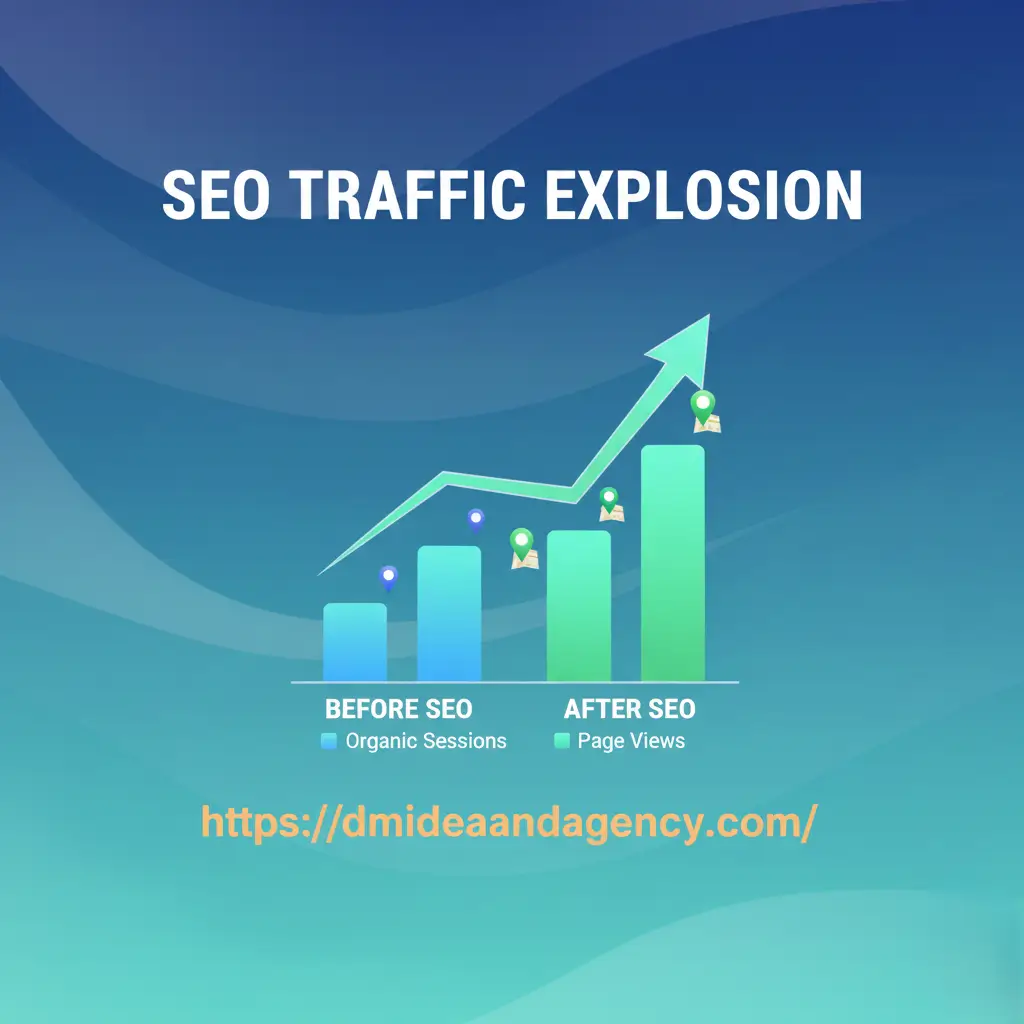
This new approach is not a future dream it is here and now. By using structured data to bridge the gap between website code and search engines you create opportunities to stay one step ahead of the search landscape. My own improvements in client projects mirror these Freeyork.org findings where providing structured data makes it easier for customers to find exactly what they are looking for.
Semantic SEO is not just about ranking it’s about making sure your content cataloged and organized by machines matches the true intent of your users. If you want to see your organic traffic flourish focusing on these semantic connections is the most effective way to ensure your digital marketing efforts deliver long lasting value.
How Can You Optimize Content For Semantic SEO?
I have found that the best way to success in the modern search landscape is to stop chasing high search volume alone and start searching for the true meaning behind a search query. By moving beyond traditional keyword research you can optimize content by identifying the primary entity and all related concepts that your audience cares about.
In my experience you must cover topics in their entirety to help search engines understand search intent. This 4 step process involves mapping out topics and intents so that your web pages provide a deep well of information. When you optimize for semantic SEO you are not just writing for users you are making it easier for machines to understand the topic and its entities within the global web of data.
To truly smarter outpace the competition you must integrate structured data and schema markup to provide structured information that traditional SEO often overlooks. On every page I ensure that title tags headings and images including descriptive alt text all point toward the same thematic depth. Building internal links between relevant semantic SEO content creates a map that helps Google see how your content fits together. By utilizing these opportunities you transform your web pages from simple text into a rich resource that satisfies both the searching human and the indexing robot. This holistic approach ensures your content is seen as the authoritative source for the information sought by your audience.
Is The Web Ready For Semantic SEO?
When Amit Singhal the former SVP of Engineering at Google launched the Knowledge Graph in 2012 he famously changed the game with the mantra Things Not Strings. For over four decades search engine technology relied on matching keywords but this major contribution shifted the focus to entities like people places and things.
I remember when a search query for taj mahal would just show a list of queries with those two words. Now the system understands the broader meaning behind the intent whether you are looking for beautiful monuments of the world a Grammy-winning musician or even a casino in Atlantic City NJ. This extension of the current Web allows computers and people to work together to find information with a well defined meaning fulfilling the vision of Tim Berners Lee for a semantic Web.
Today the collective intelligence of the internet is more organized than ever thanks to the schema.org initiative. In just a few months after its release it became the common data schema used by the world’s largest search engines to understand content. For my clients I often use the Word Lift Add-on for a Google Sheet to handle a 3-steps process of entity linking: analyzing the SERP choosing semantically relevant words and synonyms and then injecting that data into the site.
This next generation of search moves us toward a semantic future where a video or page is not just a file but a rich source of structured information. By bridging the gap between how we talk and how machines evaluate uniqueness we ensure our content remains visible in an increasingly intelligent digital world.
Conclusion:
In summary Semantic SEO marks a definitive shift from old-school keyword matching to a sophisticated entity-based approach that prioritizes thematic depth and user intent. By leveraging tools like schema markup and topic clusters you move beyond strings of text to provide search engines with the rich context they need to categorize your expertise. This alignment with modern AI and natural language processing ensures that your content is not only discoverable but also recognized as an authoritative resource in an increasingly intelligent digital ecosystem.
Ultimately adopting a semantic strategy is the most effective way to future proof your digital presence against evolving algorithms. By focusing on comprehensive natural content that addresses the nuances of how people actually search you create a superior user experience that rewards you with higher visibility and better engagement. Transitioning to this holistic method transforms your website from a collection of landing pages into a meaningful network of data ensuring sustainable organic growth and long-term search success.
FAQ’s
What is a Semantic SEO example?
Imagine you are writing a guide about Baking Bread.
Traditional SEO: You would repeat the phrase “how to bake bread” several times and hope Google matches that string of text.
Semantic SEO: You talk about the entire ecosystem of bread. You naturally include sections on yeast activation, gluten development proofing temperatures and the difference between sourdough starters and commercial yeast. Even if a user searches for why is my dough not rising Google recognizes your page as an authority because you covered the deeper concepts (the semantics) of bread making, not just the keyword.
What is the difference between SEO and Semantic SEO?
Think of SEO as the foundation it’s the broad practice of making sure search engines can find and rank your site. Semantic SEO is the modern brain of that practice.
Standard SEO often focuses on individual pages and specific keywords (one page = one keyword).
Semantic SEO focuses on topics and intent. It’s about building a knowledge graph on your site so that search engines understand you are not just a site with a few good articles, but a trusted expert on a whole subject.
What is Semantic Search SEO?
This refers to optimizing your site specifically for how Semantic Search works. Semantic Search is the technology engines like Google use to understand the meaning behind a query. For instance if you search for that movie with the guy on Mars Google knows you mean The Martian. Semantic Search SEO is the work you do like using Schema Markup or structured data to help the computer understand these relationships so it can serve your content as the best answer.
What is the difference between Programmatic SEO and Semantic SEO?
These two are often confused but serve very different purposes:
Programmatic SEO is about scale. It uses code and databases to automatically generate thousands of pages for similar searches (e.g., Best hotels in City Name).
Semantic SEO: Is about depth. It is usually a manual editorial process where you write comprehensive high quality content that explores a topic from every angle. You can use them together but Programmatic is the engine that builds many pages while Semantic is the soul that ensures the content actually makes sense and provides value.
What is a Semantic SEO strategy?
A semantic strategy usually follows a Hub and Spoke or Topic Cluster model:
The Pillar (Hub): You create one massive definitive guide on a broad topic (The Ultimate Guide to Remote Work).
The Clusters (Spokes): You write smaller detailed articles on related sub-topics (e.g Best home office chairs Remote team communication tools Managing burnout).
The Connection: You link them all together. This tells Google I have covered every corner of this topic which builds massive topical authority.
What is Semantic SEO and how does it work?
It works by mimicking human conversation. Years ago Google was like a librarian who could only find books if you knew the exact title. Today Google is more like a librarian who has read every book and can recommend the right one even if you describe the plot poorly. It works by analyzing Entities (people places things) and their relationships. When you write content that explains how Entity A relates to Entity B you are giving the search engine a roadmap of meaning.